
Ludovic-Rodo Pissarro
1878 - 1952
La Brune au Tableau de Nu
Oil on canvas
60 x 81.5 cm (23 ⁵/₈ x 32 ¹/₈ inches)
Signed lower left Ludovic Rodo
Executed circa 1910
60 x 81.5 cm (23 ⁵/₈ x 32 ¹/₈ inches)
Signed lower left Ludovic Rodo
Executed circa 1910


Private collection, London
This work is accompanied by a certificate of authenticity from Lélia Pissarro.
While Ludovic Rodo’s early work was very much influenced by his father’s post-Impressionism, after Camille’s death in 1903 Rodo moved away very quickly from this style and became a Fauve artist, and with his great friend, Dutch artist Kees Van Dongen painted many bar and night-life scenes. He appears to have had a great love of women and did many paintings of them clothed, semi-clothed and nude, but the nude posing in a classical position seems to be a subject he returns to again and again.
It’s interesting that in the upper right corner there is a painting nude bathers hanging on the wall and as all Camille’s sons inherited an important collection of his work, it is possible that this is a copy of a painting done by Camille in 1895.
This original painting by Ludovic-Rodo Pissarro is available for immediate purchase.
Ludovic-Rodo Pissarro
biography
Ludovic-Rodolphe Pissarro, known as Rodo, was the fourth son of Camille Pissarro, born in Paris in 1878. Encouraged by his father, he began drawing from nature at an early age. He generally signed his work "Ludovic-Rodo", and early in his career simply "Rodo".
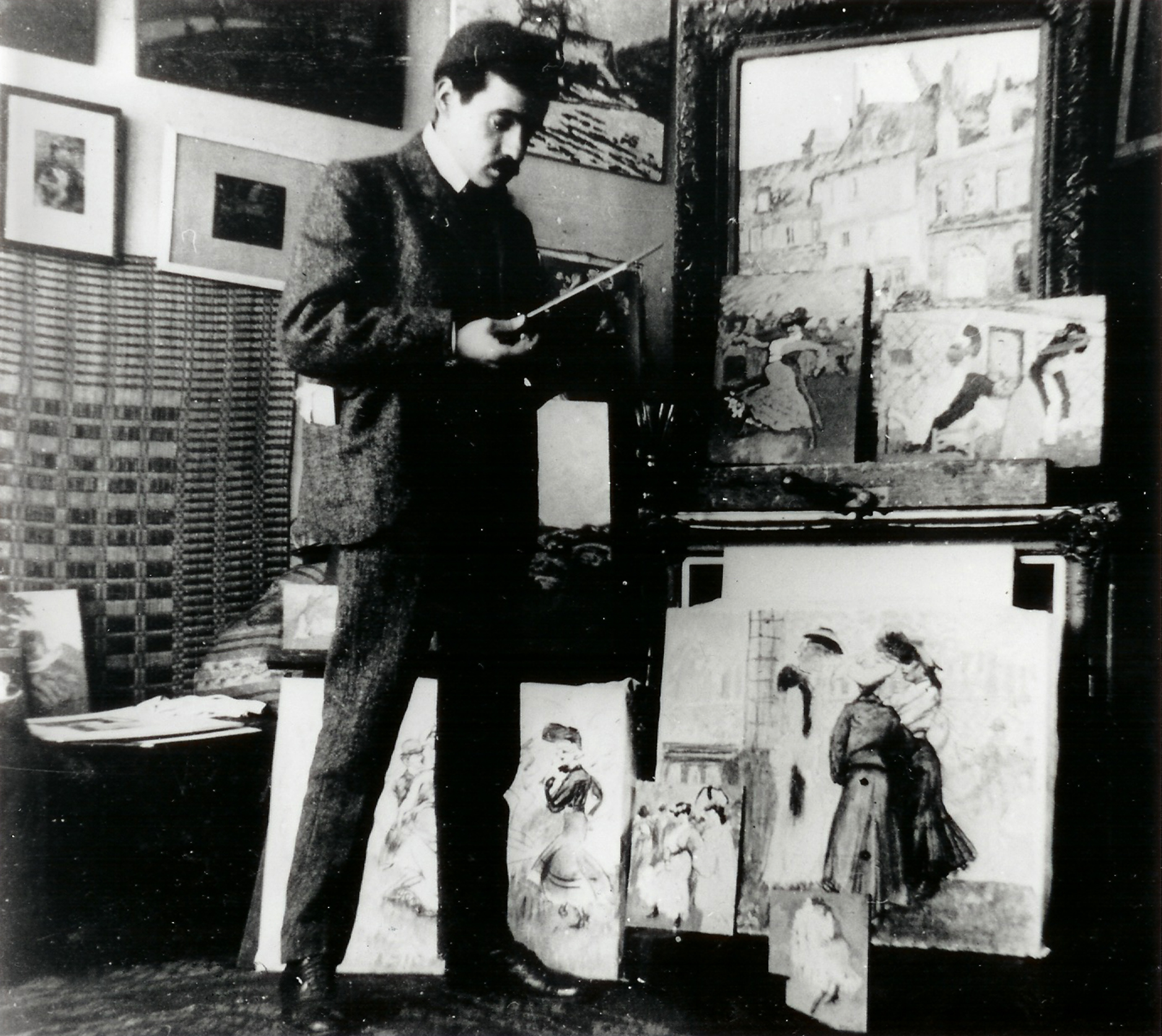
Camille's art and teaching had a considerable impact on Rodo, whose work encompassed oil painting, tempera, watercolour, gouache, wood engraving, drawing and lithography. He exhibited regularly at the Salon des Indépendants over a period of forty years. In 1894, aged sixteen, he published his first wood engravings in the anarchist journal Le Père Peinard. That year Camille left France for Belgium during the anarchist upheavals, and Rodo joined him there. In 1898 he moved into his first studio in Montmartre with his brother Georges Manzana. His work from this early period until shortly after Camille's death in 1903 was Post-Impressionist and clearly painted under his father's influence.
By 1904 Rodo was living in Paris, where the nightlife and the habitués of the cafés, theatres, circuses and cabarets became compelling subjects for his work and brought a marked change to his style. He became associated with the Fauve artists and grew close to Kees van Dongen, Maurice de Vlaminck and Raoul Dufy. In 1905 he took part in the first Fauve exhibition, and in 1907 he visited Van Dongen in Rotterdam, the two painting together as they often did in Paris.
Rodo married in 1914 and had no children. Later that year, at the outbreak of war, he moved to England, where he lived mainly in and around West London for the next seven years. In 1915 he worked closely with Lucien to establish the Monarro Group, formed to exhibit the work of contemporary artists inspired by Impressionism. Many of his paintings from this period depict London landmarks, and he was also interested in the urbanisation of West London. After returning to France in 1921 he divided his time between Paris and Les Andelys in Normandy, living and working closely with Georges-Manzana.
Rodo is perhaps best remembered for his contribution to art history. Over ten years he researched and compiled a catalogue of his father's paintings, published in two volumes in 1939 and regarded as the first catalogue raisonné of Camille's paintings. He painted and exhibited extensively in Normandy, Brittany, Paris, London, the south coast of England, Jersey, Rotterdam, Germany and Belgium. His work is held in a number of museums, including the Ashmolean Museum in Oxford and the Museum of Fine Arts in Boston.
Ludovic-Rodo Pissarro
biography
you may also like
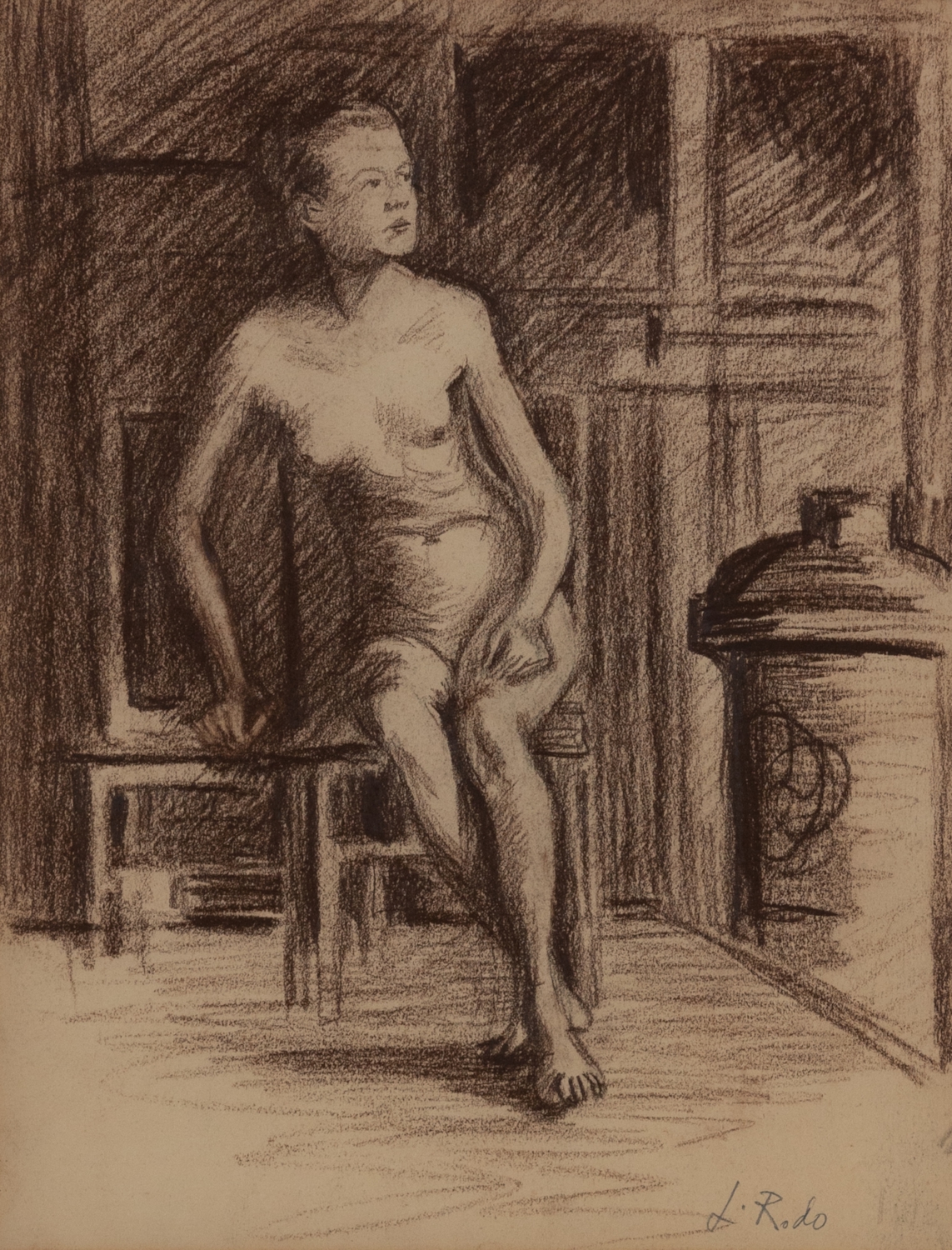
Ludovic-Rodo Pissarro
1878 - 1952
Nu Assise
Charcoal on paper
31.3 x 24.2 cm (12 ³/₈ x 9 ¹/₂ inches)
31.3 x 24.2 cm (12 ³/₈ x 9 ¹/₂ inches)
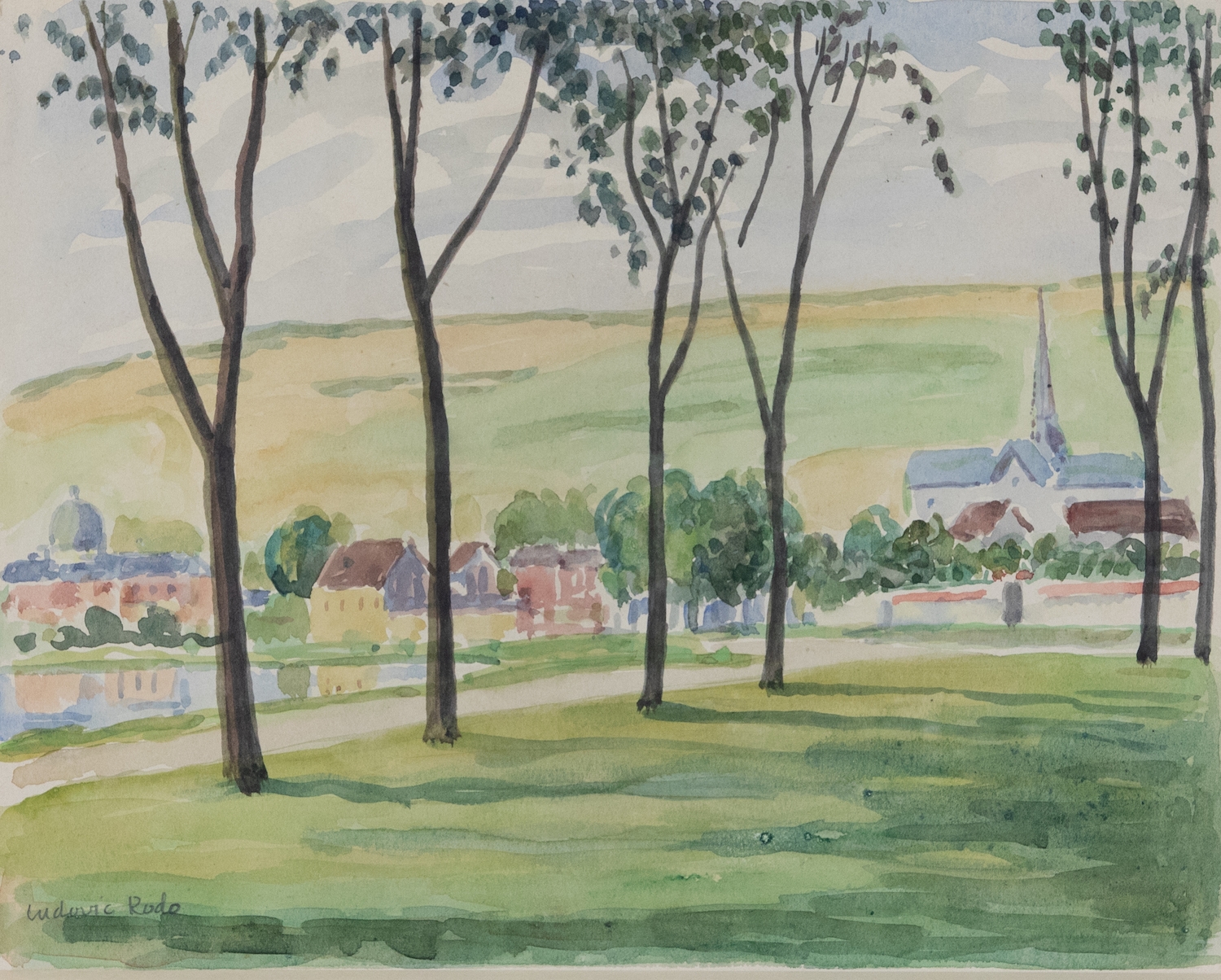
Ludovic-Rodo Pissarro
1878 - 1952
La Seine aux Andelys
Watercolour on paper
22 x 29 cm (8 ⁵/₈ x 11 ³/₈ inches)
22 x 29 cm (8 ⁵/₈ x 11 ³/₈ inches)

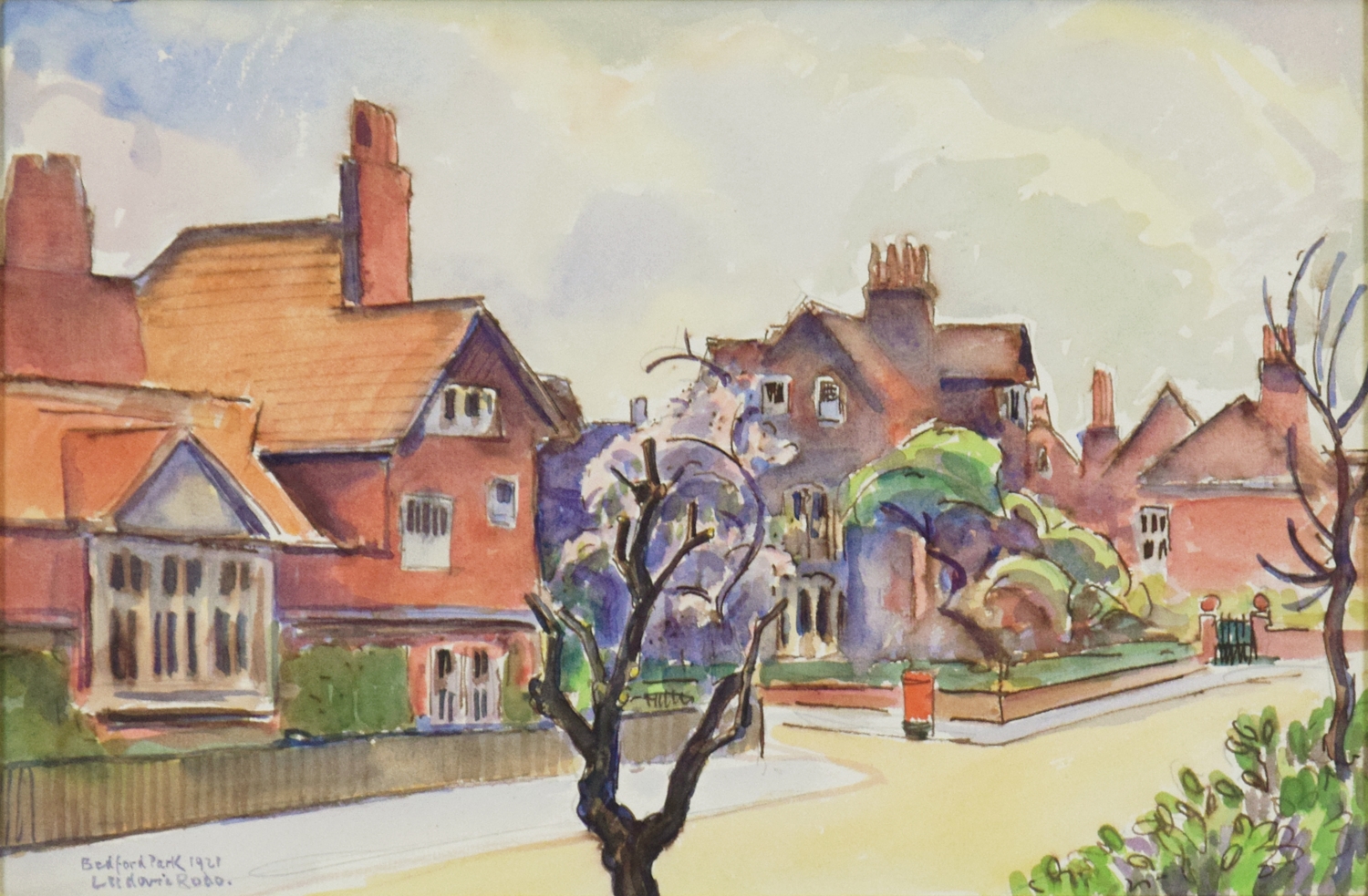
Ludovic-Rodo Pissarro
1878 - 1952
Bedford Park
Watercolour on paper
24.5 x 38 cm (9.65 x 14.96 inches)
24.5 x 38 cm (9.65 x 14.96 inches)
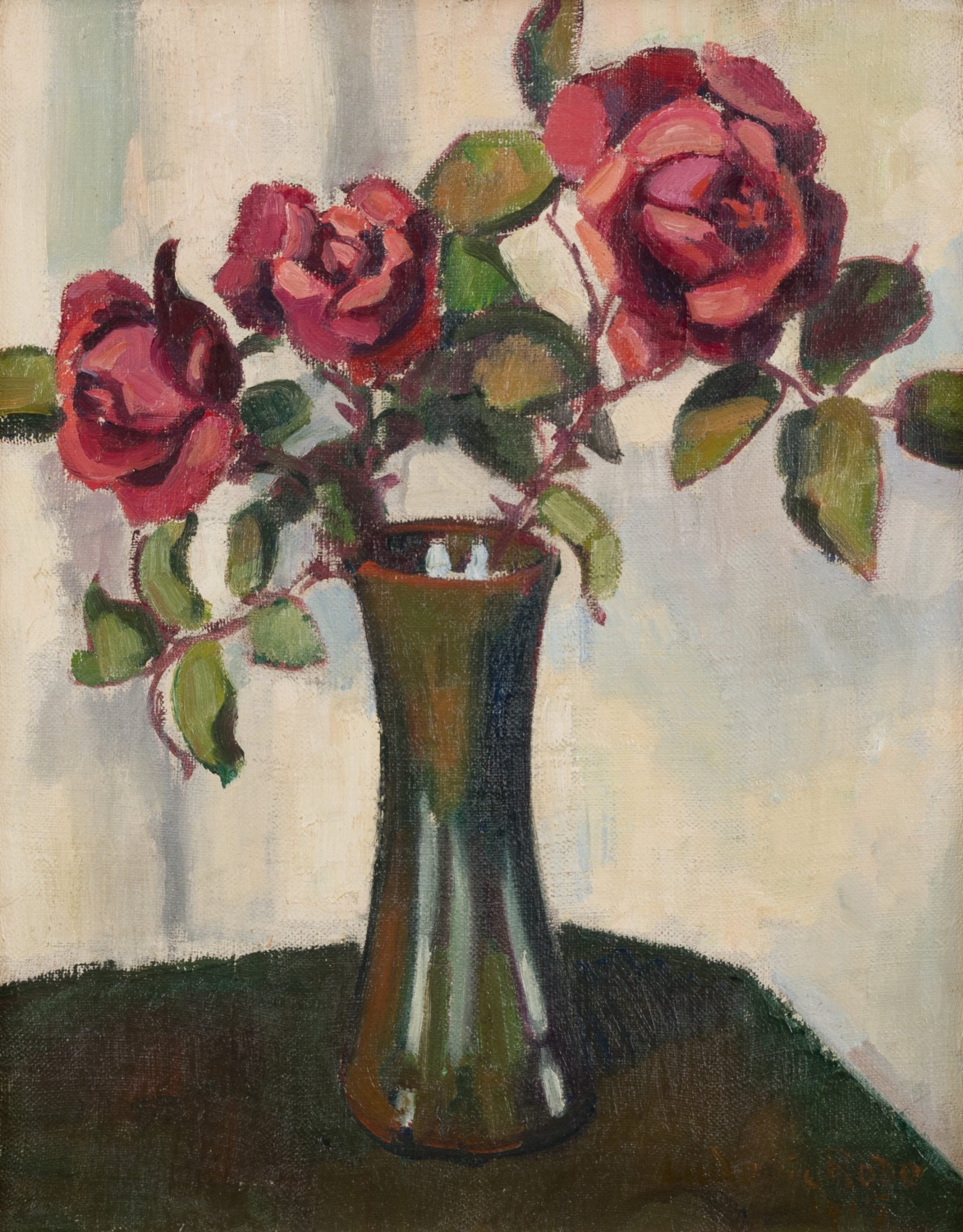
Ludovic-Rodo Pissarro
1878 - 1952
Trois roses rouges dans un vase
Oil on canvas
40 x 33.5 cm (15 ³/₄ x 13 ¹/₄ inches)
40 x 33.5 cm (15 ³/₄ x 13 ¹/₄ inches)

Ludovic-Rodo Pissarro
1878 - 1952
Versailles
Charcoal and pastel on paper
14.5 x 23 cm (5 ³/₄ x 9 inches)
14.5 x 23 cm (5 ³/₄ x 9 inches)
