Louis Marcoussis
1878 - 1941
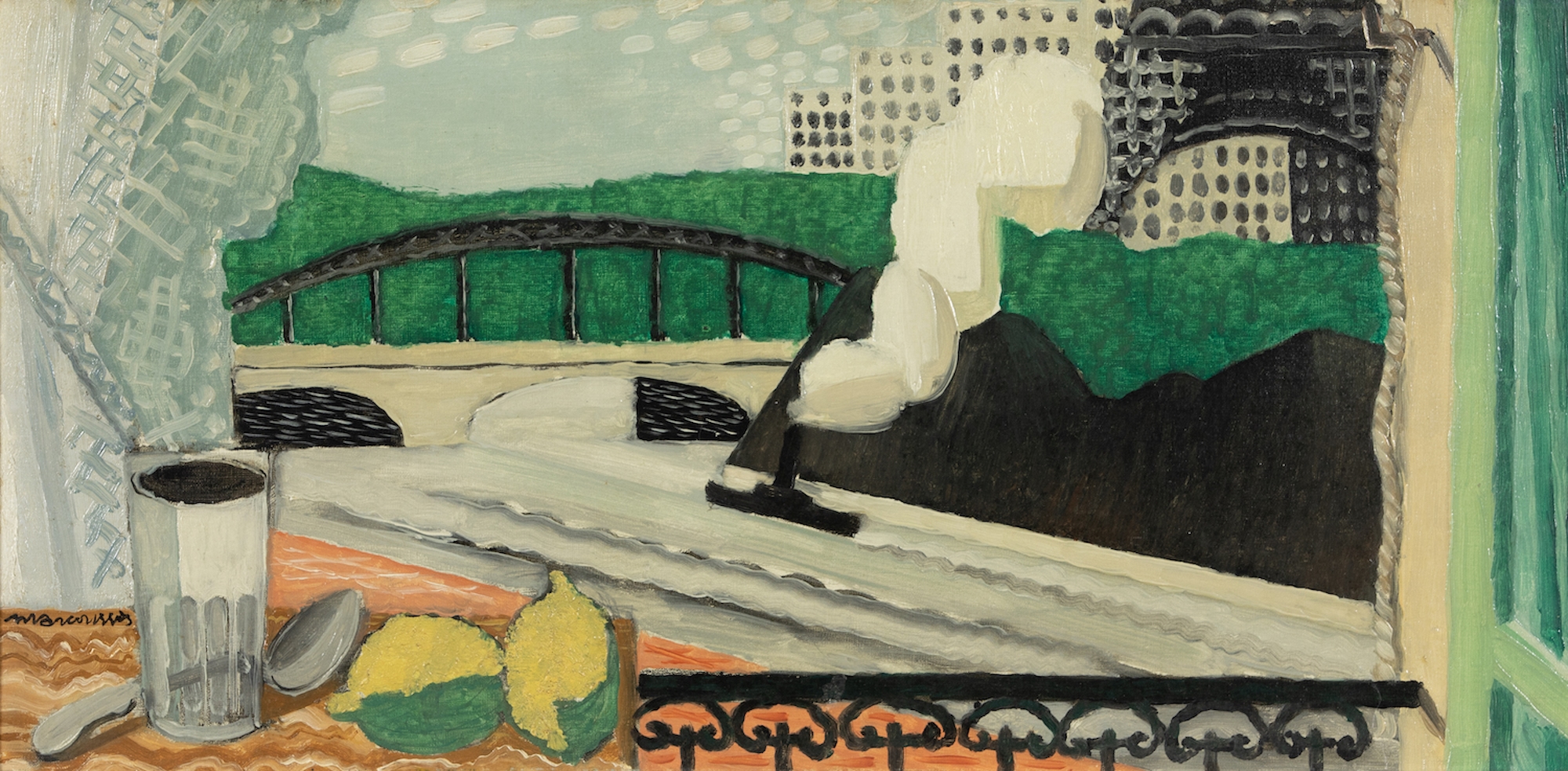
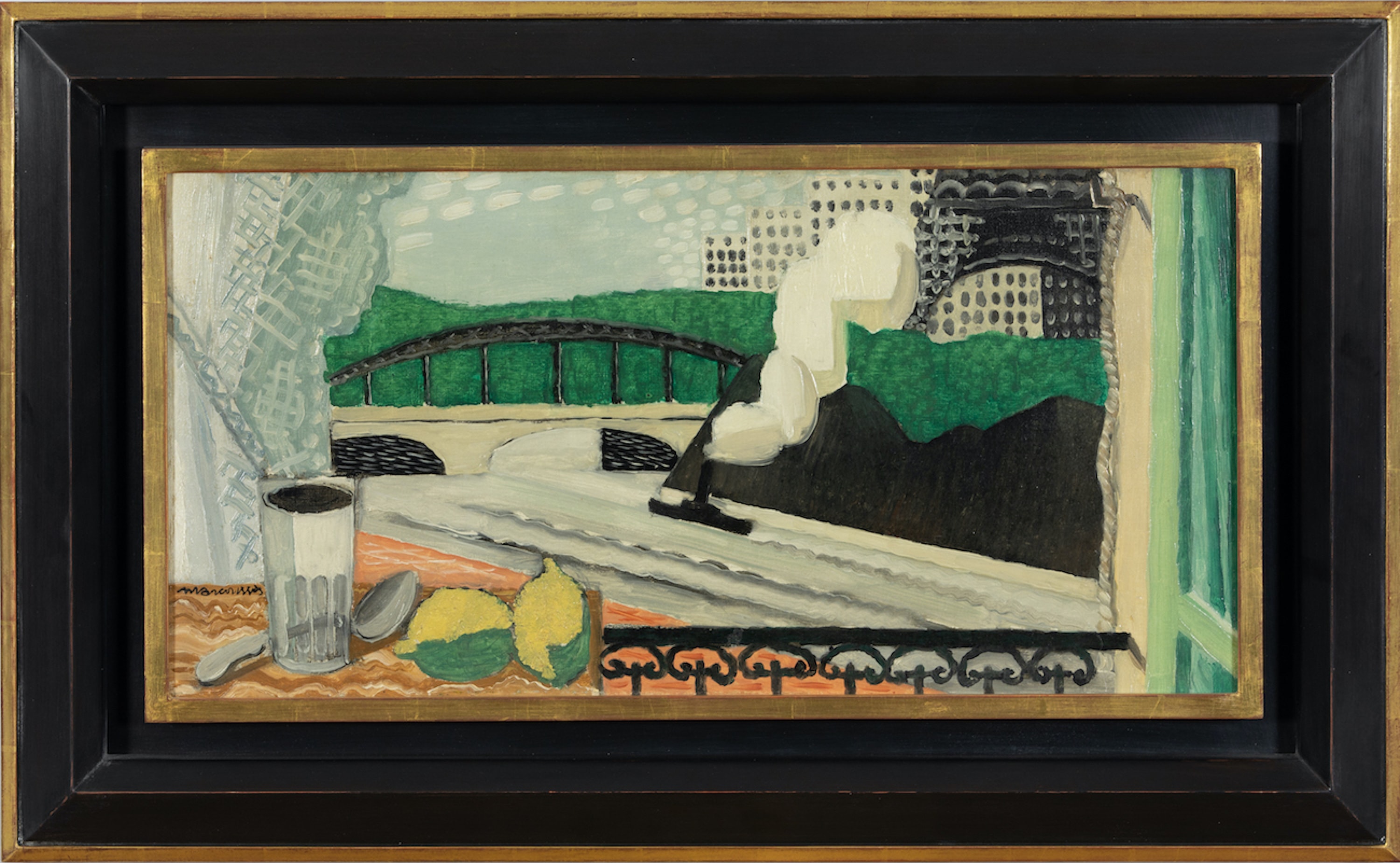
La Seine et la Tour Eiffel, vue d'un balcon
Oil on canvas
33 x 66 cm (13 x 26 inches)
Signed lower left, Marcoussis
Executed in 1925
33 x 66 cm (13 x 26 inches)
Signed lower left, Marcoussis
Executed in 1925

Alice Halicka, Paris (Madame Louis Marcoussis, by descent)
Blanche Fabry Tézé, New York
Stern Pissarro Gallery, London
Private collection, Austria, acquired from the above
Blanche Fabry Tézé, New York
Stern Pissarro Gallery, London
Private collection, Austria, acquired from the above
Paris, Galerie Pierre, Peintures, gouaches et fixés de Louis Marcoussis, April-May 1925, no. 20
This work is accompanied by a certificate of authenticity from Alice Marcoussis (née Halicka), the artist's wife, dated July 3rd, 1973
This original artwork by Louis Marcoussis is available for immediate purchase.
This original artwork by Louis Marcoussis is available for immediate purchase.
Louis Marcoussis
biography
Louis Marcoussis was born Ludwik Kazimierz Władysław Markus in Łódź, Poland, in 1878. Initially trained in law, he redirected his studies to painting at the Kraków Academy of Fine Arts. He relocated to Paris in 1903, enrolling at the Académie Julian and establishing connections within the cosmopolitan artistic milieu of Montmartre. Adopting the francophone name “Marcoussis” shortly thereafter, he aligned himself with the city’s avant-garde currents and participated regularly in the Salon d’Automne and the Salon des Indépendants from 1905.
By the 1910s Marcoussis was closely associated with Cubist circles surrounding Georges Braque, Juan Gris and Pablo Picasso. His early canvases, indebted to Cézanne, soon developed into refined analytic compositions characterised by faceted form, muted tonal harmonies and the incorporation of stencilled lettering. Still life motifs with guitars, bottles and newspapers, became central to his vocabulary. Military service during the First World War interrupted his artistic momentum, yet on returning to Paris he resumed exhibiting with the Section d’Or and contributed to the wider dissemination of Cubist aesthetics.
During the 1920s and 1930s Marcoussis deepened this exploration through painting, collage and mixed media. In parallel, he developed a significant body of graphic work, including etchings and drypoints for texts by Tzara, Éluard and Apollinaire, which translated his Cubist vocabulary into an intimate, linear syntax. These collaborations embedded him within the literary avant-gardes without displacing painting as the centre of his practice.
Marcoussis continued to work in Paris until the onset of the Second World War, relocating briefly to Cusset, near Vichy, where he died in 1941. His work is represented in major public collections including the Centre Pompidou, Paris; the Musée d’Art Moderne de Paris; The Museum of Modern Art, New York; and the Art Institute of Chicago.
By the 1910s Marcoussis was closely associated with Cubist circles surrounding Georges Braque, Juan Gris and Pablo Picasso. His early canvases, indebted to Cézanne, soon developed into refined analytic compositions characterised by faceted form, muted tonal harmonies and the incorporation of stencilled lettering. Still life motifs with guitars, bottles and newspapers, became central to his vocabulary. Military service during the First World War interrupted his artistic momentum, yet on returning to Paris he resumed exhibiting with the Section d’Or and contributed to the wider dissemination of Cubist aesthetics.
During the 1920s and 1930s Marcoussis deepened this exploration through painting, collage and mixed media. In parallel, he developed a significant body of graphic work, including etchings and drypoints for texts by Tzara, Éluard and Apollinaire, which translated his Cubist vocabulary into an intimate, linear syntax. These collaborations embedded him within the literary avant-gardes without displacing painting as the centre of his practice.
Marcoussis continued to work in Paris until the onset of the Second World War, relocating briefly to Cusset, near Vichy, where he died in 1941. His work is represented in major public collections including the Centre Pompidou, Paris; the Musée d’Art Moderne de Paris; The Museum of Modern Art, New York; and the Art Institute of Chicago.
Louis Marcoussis
biography
you may also like
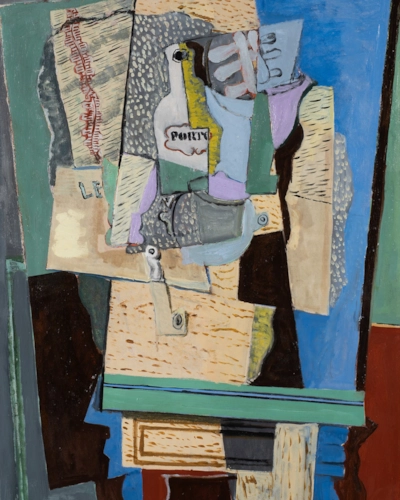
Louis Marcoussis
1878 - 1941
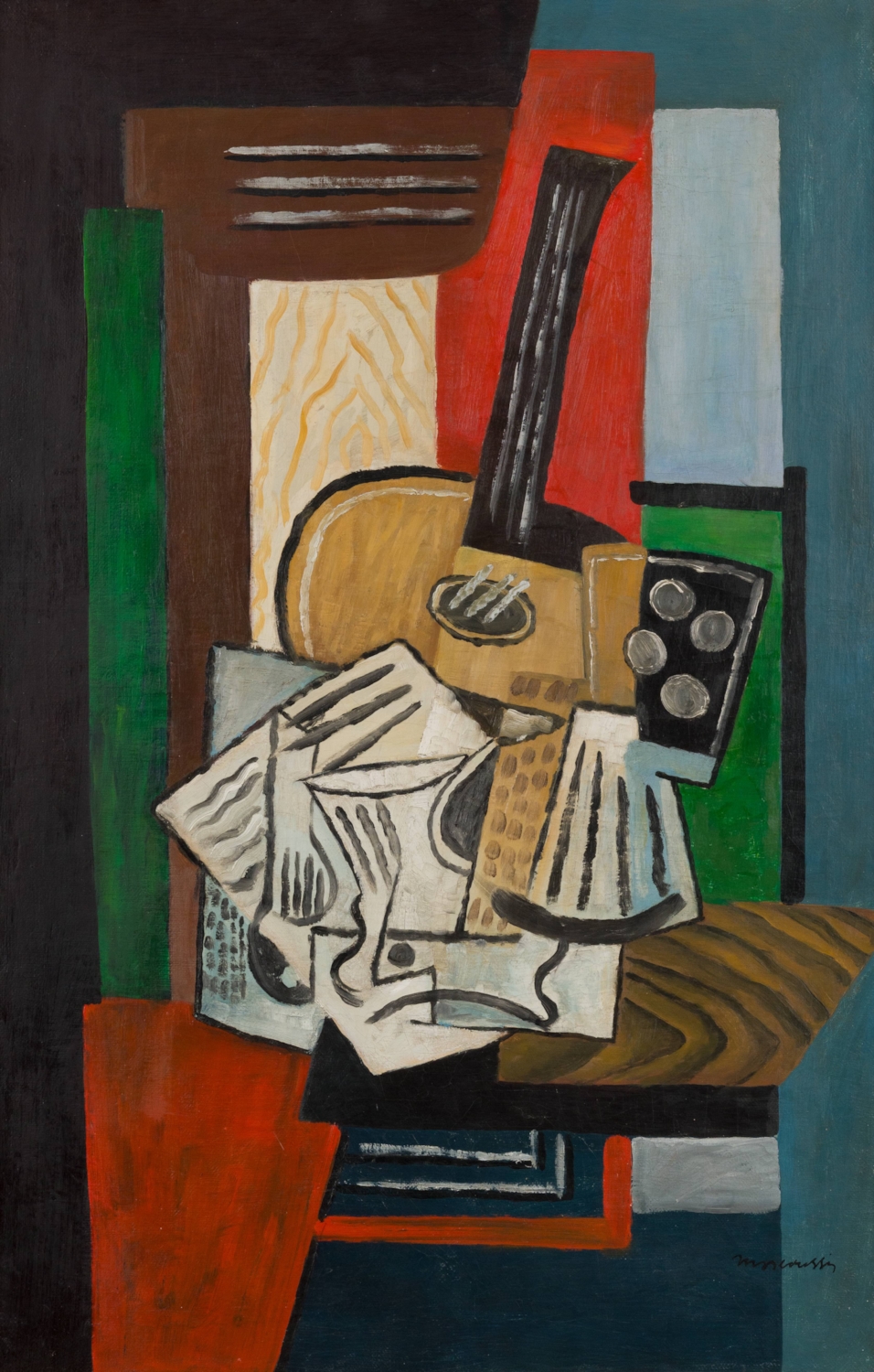
Instrument de musique sur guéridon
Oil on canvas
80.5 x 52.7 cm (31 ³/₄ x 20 ³/₄ inches)
80.5 x 52.7 cm (31 ³/₄ x 20 ³/₄ inches)
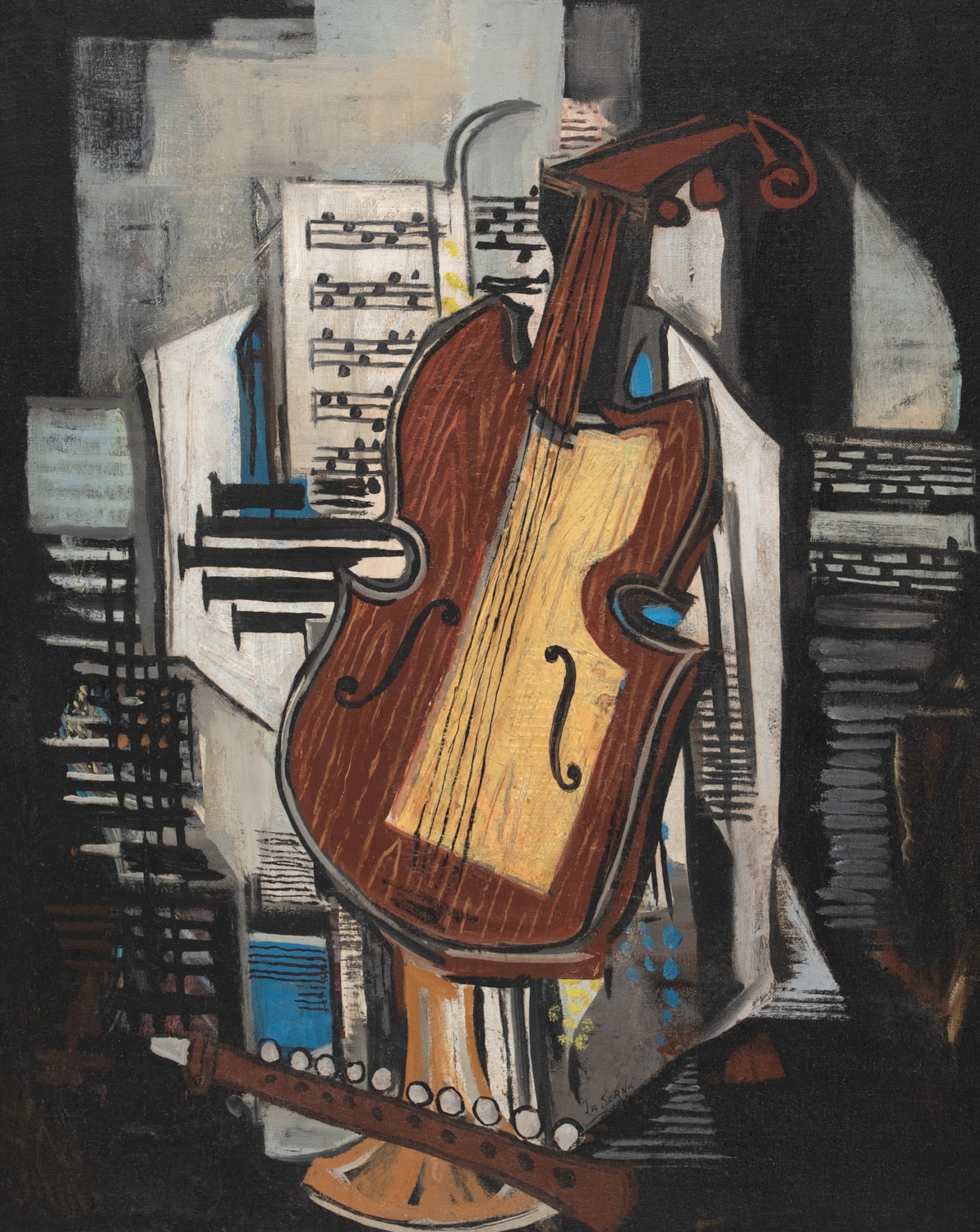
Ismael De La Serna
1898 - 1968
Still Life with Violin
Oil on canvas
81 x 65 cm (31 ⁷/₈ x 25 ⁵/₈ inches)
81 x 65 cm (31 ⁷/₈ x 25 ⁵/₈ inches)