
Louis Hayet
1864 - 1940
Sur les Champs-Elysées
Oil on cardboard
16 x 24 cm (6 ¹/₄ x 9 ¹/₂ inches)
Signed lower right
Executed circa 1888
16 x 24 cm (6 ¹/₄ x 9 ¹/₂ inches)
Signed lower right
Executed circa 1888


Robert J. Michel. Expert, Villeneuve-les-Avignon
Private collection, France, acquired from the above in 1993
Private collection, France, acquired from the above in 1993
This work is accompanied by a certificate of authenticity from Christophe Duvivier and archived under P.24.02.
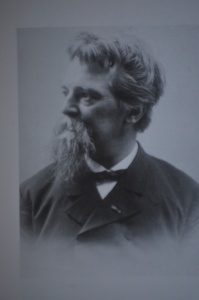
Louis Hayet
biography
Louis Hayet was born to a modest family in Pontoise, near Paris, and despite early evidence of considerable artistic and academic talents, he began his career as a travelling salesman.
Eventually joining with the Neo-Impressionist group of painters centred upon Camille Pissarro, Paul Signac and Georges Seurat, Hayet’s inherent predisposition for painting revealed itself as he experimented with colour, texture and light. Hayet established a friendship with Camille Pissarro, and Pissarro’s eldest son Lucien, a year after moving to Paris in 1885.
Curiously, Paul Signac removed mention of Hayet from the Pointillism manifesto. Yet, from his studios at Montmartre and La Frette, Hayet was a prolific artist who produced a diverse body of work that always sought to be true to the nature of colour itself.
Bearing the influence of Seurat, Hayet would often work en plein air with a fast-moving, decided technique that foreshadowed the evolution from Impressionism to Neo-Impressionism. He was drawn to themes such as the circus, modern urban scenes and landscapes.
The science-based principles of Neo-Impressionism followed Hayet to the end of his painting career, after which he dedicated his time to scientific research into pigments.
Eventually joining with the Neo-Impressionist group of painters centred upon Camille Pissarro, Paul Signac and Georges Seurat, Hayet’s inherent predisposition for painting revealed itself as he experimented with colour, texture and light. Hayet established a friendship with Camille Pissarro, and Pissarro’s eldest son Lucien, a year after moving to Paris in 1885.
Curiously, Paul Signac removed mention of Hayet from the Pointillism manifesto. Yet, from his studios at Montmartre and La Frette, Hayet was a prolific artist who produced a diverse body of work that always sought to be true to the nature of colour itself.
Bearing the influence of Seurat, Hayet would often work en plein air with a fast-moving, decided technique that foreshadowed the evolution from Impressionism to Neo-Impressionism. He was drawn to themes such as the circus, modern urban scenes and landscapes.
The science-based principles of Neo-Impressionism followed Hayet to the end of his painting career, after which he dedicated his time to scientific research into pigments.
Louis Hayet
biography
you may also like
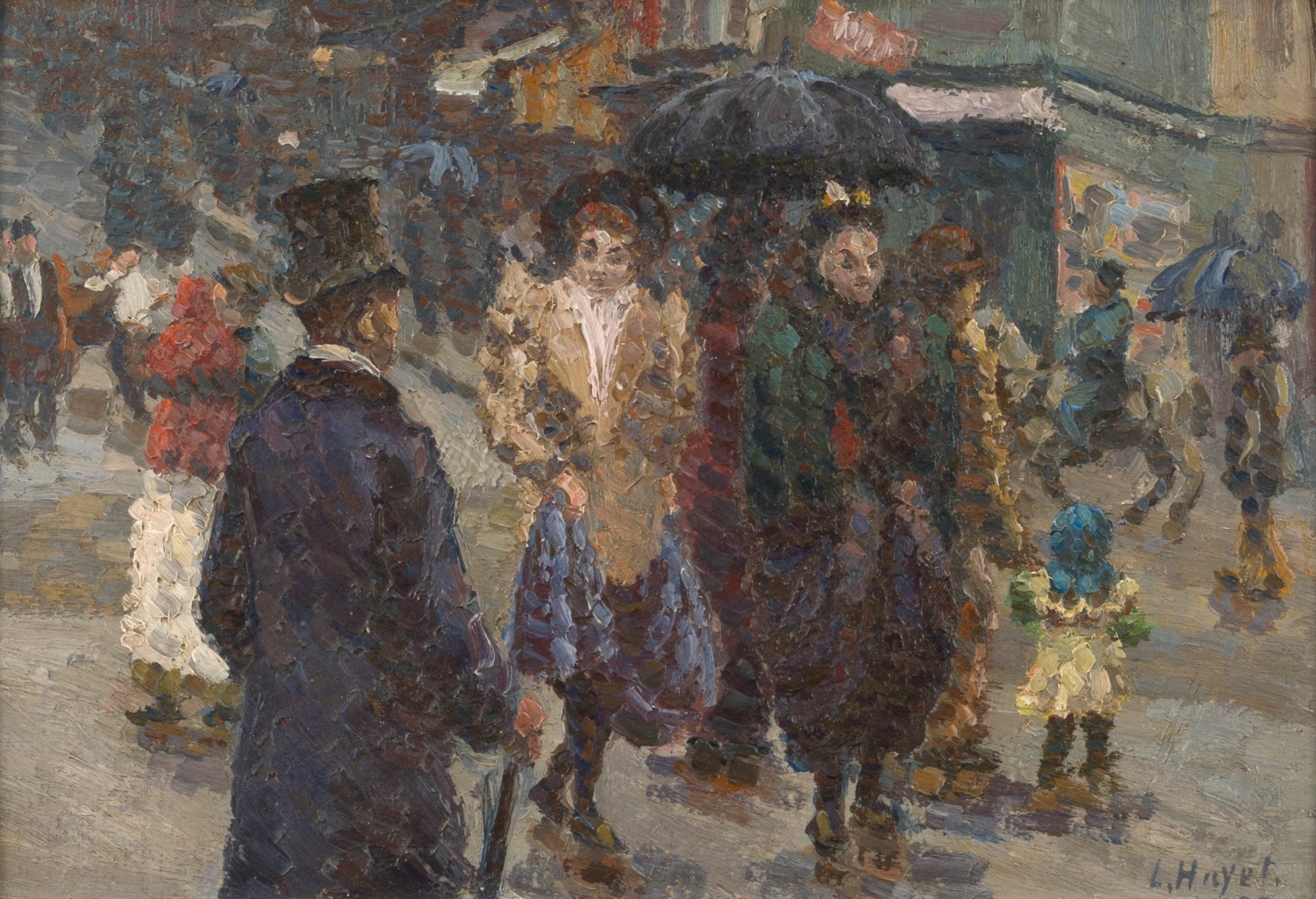
Louis Hayet
1864 - 1940
Passants sous la pluie, Paris
Oil on board
19.5 x 27.6 cm (7 ⁵/₈ x 10 ⁷/₈ inches)
19.5 x 27.6 cm (7 ⁵/₈ x 10 ⁷/₈ inches)
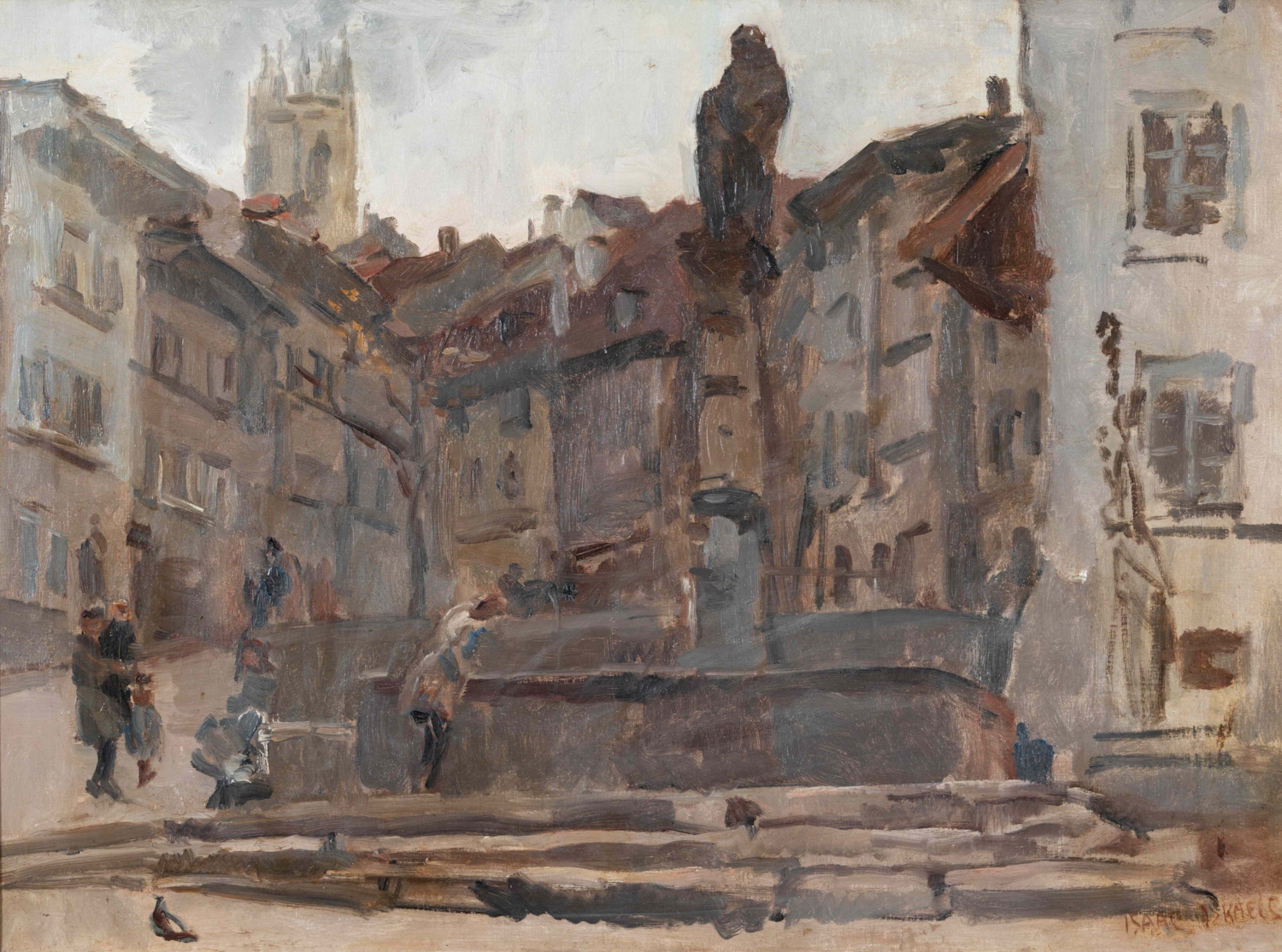
Isaac Israëls
1865 - 1934
Fontaine St. Anne, Fribourg
Oil on canvas
60 x 80 cm (23.62 x 31.50 inches)
60 x 80 cm (23.62 x 31.50 inches)
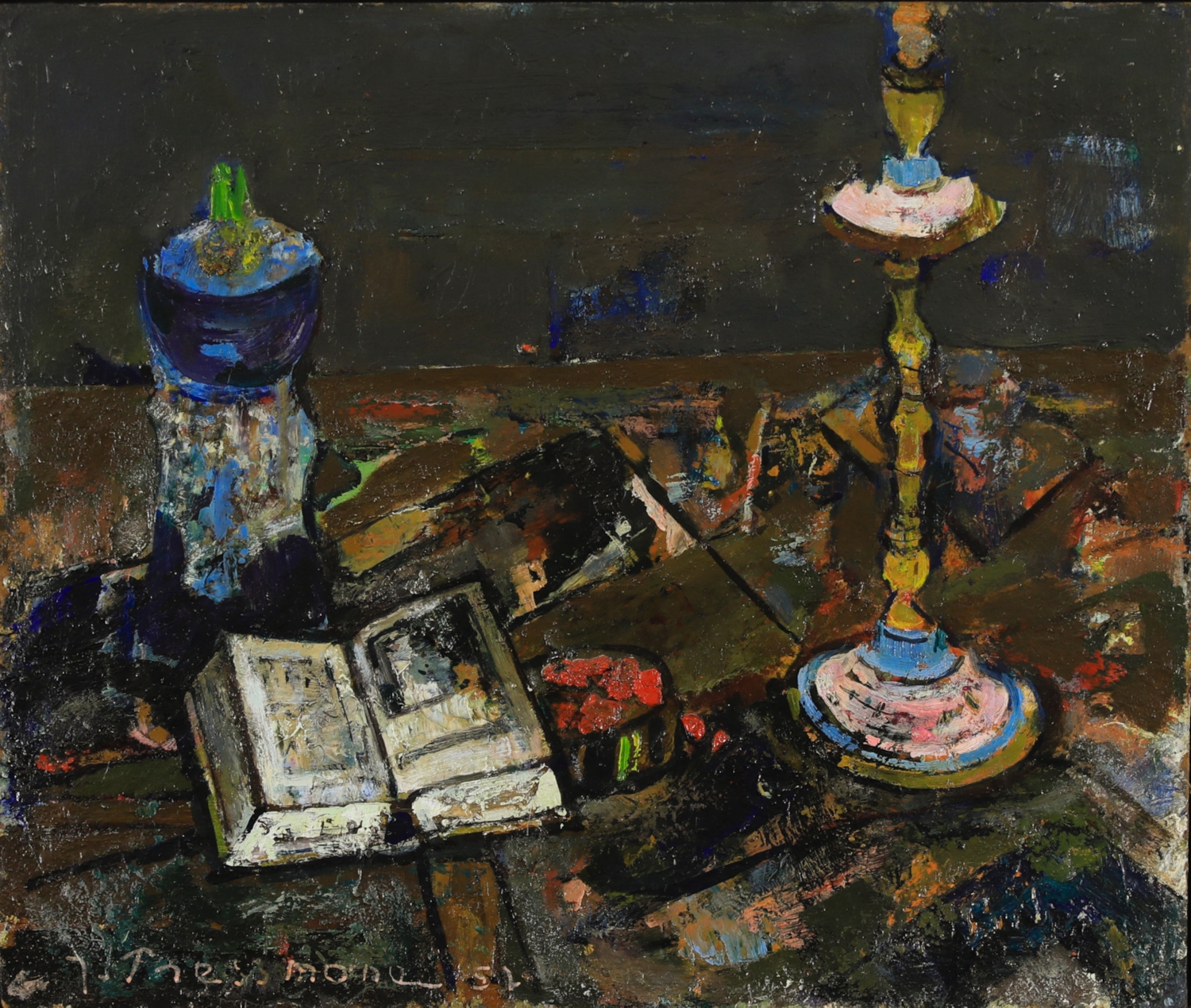
Joseph Pressmane
1904 - 1967
Still Life with Candlestick and Book
Oil on board
35.56 x 42 cm (14 x 16 ¹/₂ inches)
35.56 x 42 cm (14 x 16 ¹/₂ inches)
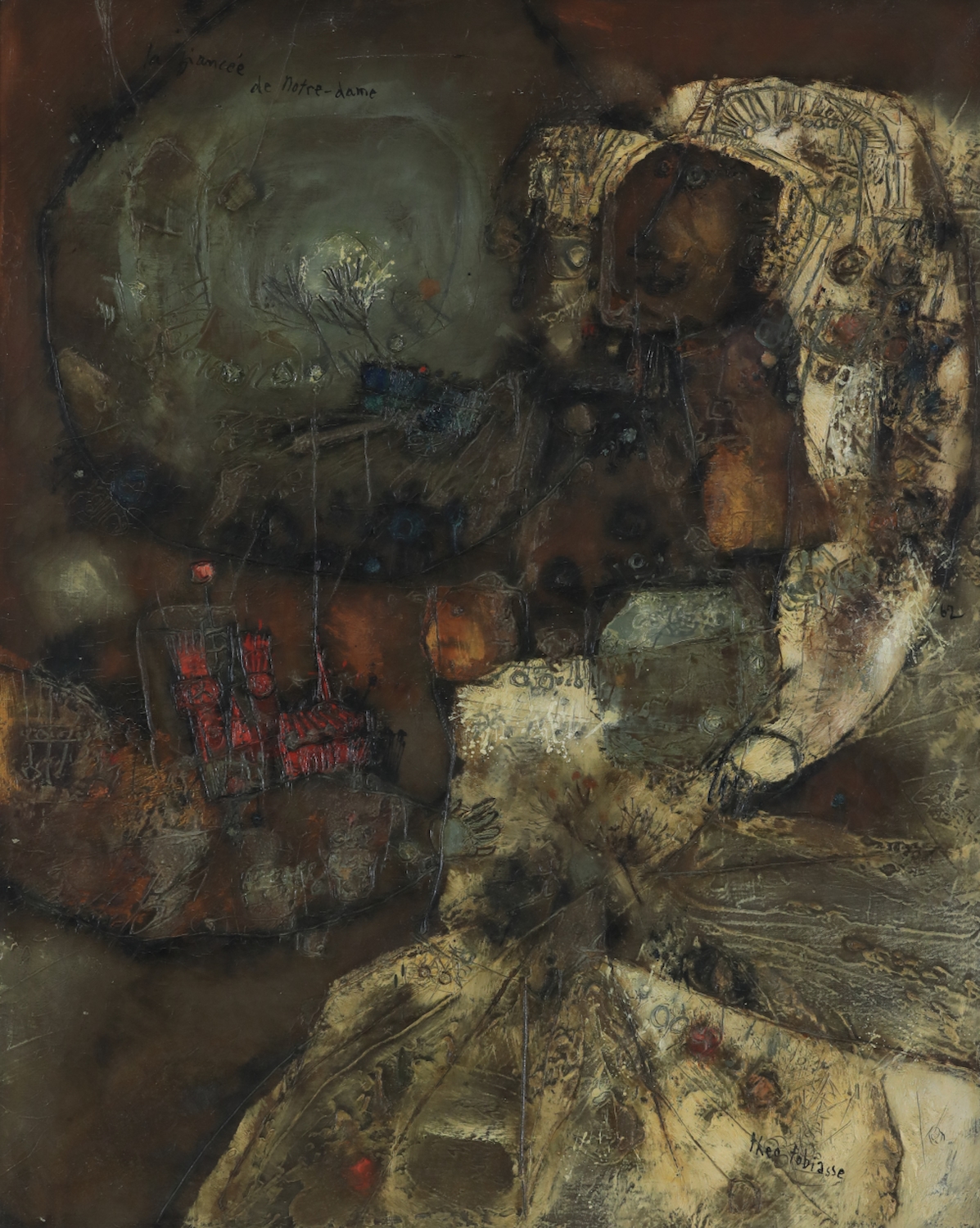
Theo Tobiasse
1927 - 2012
La Fiancée de Notre Dame
Oil on canvas
81 x 65 cm (31 ⁷/₈ x 25 ⁵/₈ inches)
81 x 65 cm (31 ⁷/₈ x 25 ⁵/₈ inches)
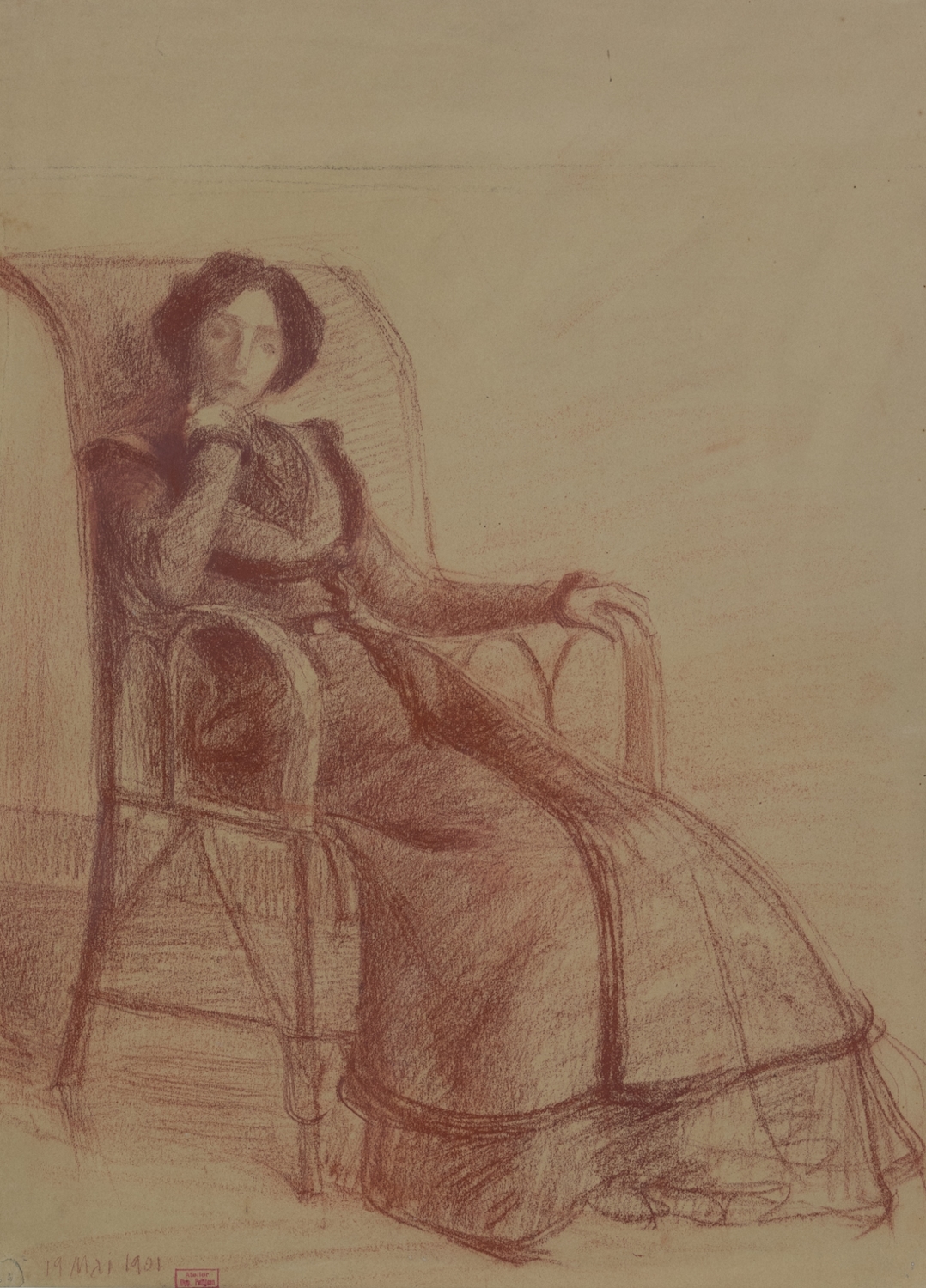
Hippolyte Petitjean
1854 - 1929
Madame Petitjean Assise, 19 mai 1901
Sanguine on paper
52.8 x 38.6 cm (20 ³/₄ x 15 ¹/₄ inches)
52.8 x 38.6 cm (20 ³/₄ x 15 ¹/₄ inches)

Jean-Louis Forain
1852 - 1931
Homme au fauteuil
Ink and wash on paper
24.1 x 17.2 cm (9 ¹/₂ x 6 ³/₄ inches)
24.1 x 17.2 cm (9 ¹/₂ x 6 ³/₄ inches)
